Discover
Mombasa
Quick facts
- Country: Kenya
- Currency: Kenyan Shilling (KES)
Talk to a travel expert
Why book with Great Times
24/7 Expert Support
Wherever you are, whenever you need us, our travel experts are ready to help.
Exceptional Value
Competitive fares and carefully selected travel experiences help you get more from every journey.
Award-Winning Service
Top Travel Agent, 2016 (Air Arabia Awards) — professional expertise and a commitment to excellence are at the heart of everything we do.
150K+ Travelers
More than 150,000 travelers have trusted us with their journeys.
Accredited & trusted



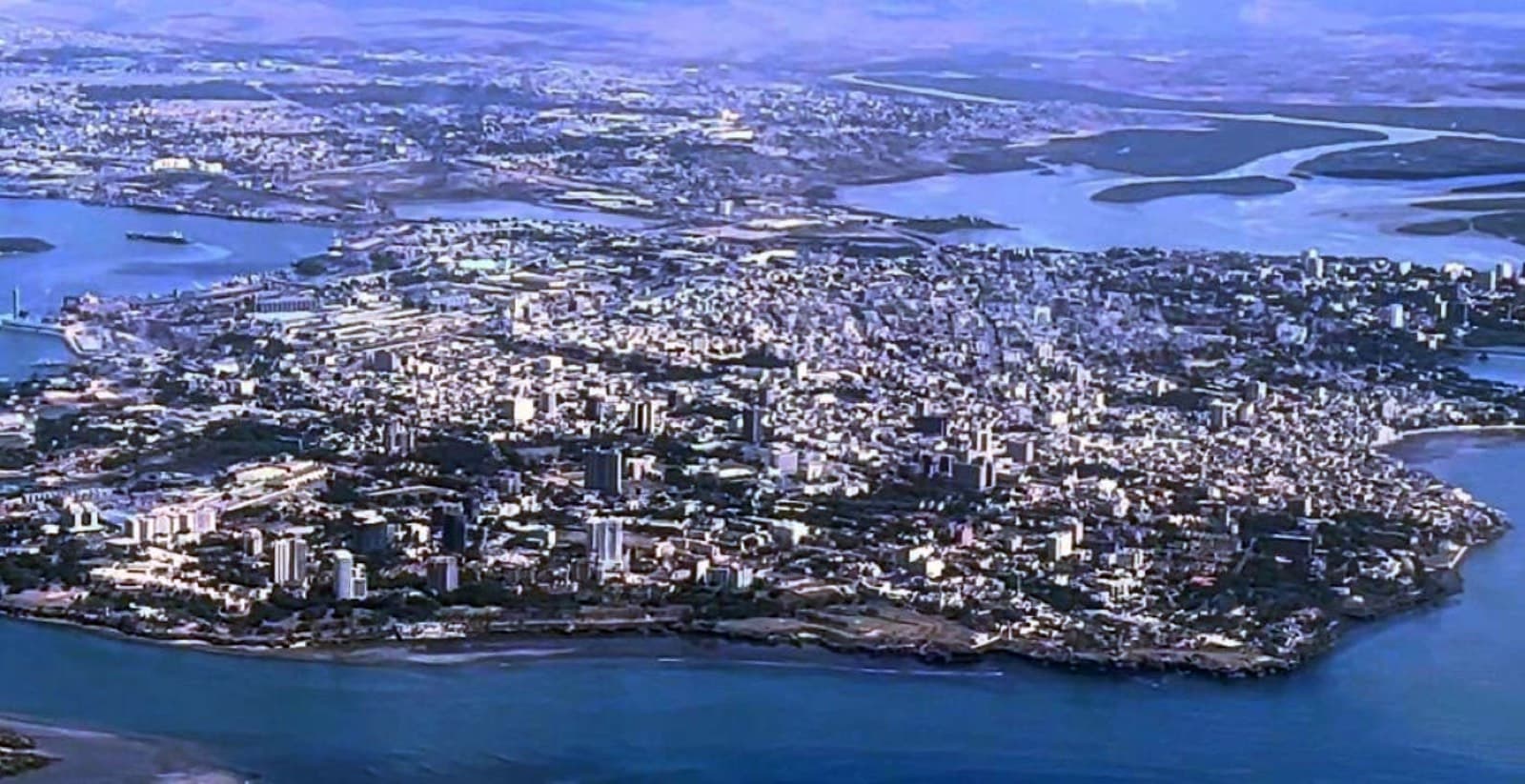
Mombasa, Kenya — one of the real routes we help travelers book flights to.
Country
Kenya
Currency
Kenyan Shilling (KES)
History
Mombasa's founding is placed by Kenyan school history around the year 900, traditionally attributed to two rulers, the pre-Islamic queen Mwana Mkisi and Shehe Mvita, who built the city's first permanent stone mosque; the oldest surviving stone structure, the Mnara mosque, dates to about 1300. Vasco da Gama became the first recorded European visitor in 1498, and Portugal held the city from 1593 to 1698 (and briefly again in 1728-29), building Fort Jesus in 1593-96 to guard the harbor entrance. Omani Arab forces took the fort in 1698 and Omani rule continued, with strong Arab, Swahili and Indian trading influence, until the British East Africa Association acquired Mombasa in 1887. Mombasa served as the first capital of British East Africa until the seat of government moved to Nairobi in 1907. Today it is Kenya's second-largest city and its main port, with a population of roughly 1.2 million that is about 56% Christian and 37% Muslim.
Top Sites to Visit
Fort Jesus
A UNESCO World Heritage Site built by the Portuguese in 1593-96 to a design by Italian military architect Giovanni Battista Cairati; it changed hands between the Portuguese, Omani Arabs and British over the following three centuries.
Old Town
The historic quarter around Fort Jesus with narrow streets, carved wooden doors and Swahili, Arab and Indian architecture, including the Spice Market built by the British in 1914.
Mombasa Tusks
Two crossed aluminum arches over Moi Avenue, originally built in wood and canvas in 1952 to mark a visit by then-Princess Elizabeth, later rebuilt in more durable aluminum.
Haller Park
A wildlife sanctuary created out of a former limestone quarry by conservationist Dr. Rene Haller over roughly 50 years, now home to giraffes, hippos and a walking nature trail.
Bombolulu Workshops
A workshop and cultural center where artisans with disabilities produce jewelry, textiles and woodwork, with proceeds supporting the makers.
Mama Ngina Drive
A palm-lined waterfront promenade along the Indian Ocean, popular in the evenings and renovated as part of a 2018 beautification project.
Old Port
The historic harbor at the edge of Old Town where wooden dhows have docked for centuries, still in occasional use.
Activities
Tour Fort Jesus and its museum, then walk down into Old Town's spice market and antique shops
Take a traditional dhow cruise along the coastline, with several operators running sunset dinner cruises
Feed the giraffes and spot hippos on the walking trail through Haller Park
Cross to the south coast on the free Likoni Ferry, which runs every 15 minutes
Shop for jewelry and textiles made by local artisans at the Bombolulu Workshops
Sail to Wasini Island by dhow for dolphin-watching and snorkeling in Kisite Marine National Park
Hike to Sheldrick Falls in Shimba Hills National Reserve, about an hour from Diani Beach
Take a day safari into Tsavo East National Park, roughly a 2.5-hour drive from Mombasa
Travel Tips
Mombasa is more Muslim and more conservative in dress norms than Nairobi — cover shoulders and knees in Old Town and remove shoes before entering a mosque; beachwear is fine at resort beaches but not in town.
The Likoni Ferry to the south coast is free for pedestrians (vehicles and tuk-tuks pay a small fee) and runs about every 15 minutes, but it gets very crowded at rush hour — keep a close eye on belongings.
Mombasa is more cash-reliant than Nairobi: Old Town shops, tuk-tuks, matatus and street food stalls generally expect Kenyan shillings, while upscale hotels and Nyali restaurants take cards.
M-Pesa mobile money is accepted almost everywhere, including many small vendors — topping up at a green-signed agent kiosk is often more convenient than finding an ATM.
Negotiate tuk-tuk fares before you get in; short trips within the city typically run a few dollars' equivalent.
Old Town is worth visiting by day but empties out and is not considered safe to walk after dark.
How you'll pay
Card via Stripe
Card or mobile money via DPO
Card or mobile money via Pesapal